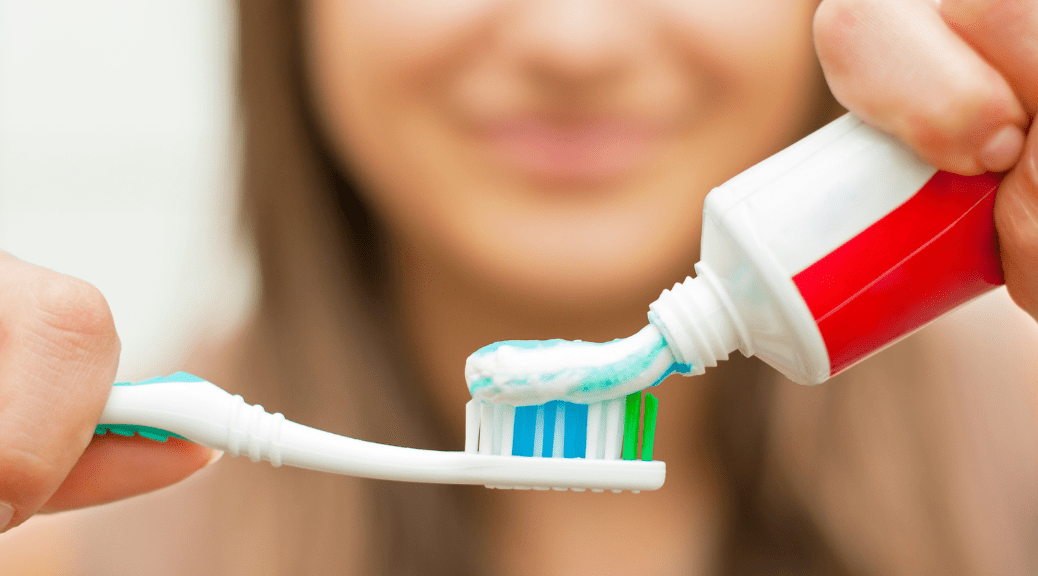
Early childhood caries, also known as "nursing bottle caries," is a type of early-onset severe tooth decay that affects young children, specifically those under the age of five. The most common area for this disease to occur is on the primary upper anterior teeth (the upper front teeth). Typically, the lower front teeth are spared from this condition because of the natural protection provided by the pooling of saliva and the positioning of the child's tongue.
The development of ECC occurs as follows. When free sugars (e.g., milk, juice, honey) come into contact with cariogenic bacteria (specifically Streptococcus mutans) in the oral environment, they produce acidic compounds which demineralize hydroxyapatite crystals in the enamel. If left untreated, these acid-produced areas will quickly erode through the thin enamel covering of a primary tooth and penetrate to the soft dentin layer underneath, and then continue their progression toward the delicate pulp chamber. Once in the pulp chamber, the destruction of the tissue can be extremely painful and very destructive.
Clinical Definition: A clinical term used to describe a severe, rapidly developing case of dental caries that has affected one or more primary teeth in an infant or toddler. Often associated with excessive consumption of sugar-containing liquids using a baby bottle, or nursing.
Emergency Signs / Indicators: White chalky spots along the gumline; black/brown coloration on a tooth; visible holes in the surface of a tooth; sensitivity to cold/hot or sweet substances while eating/drinking; and/or a child cries during feedings or has swelling on the side of the face.
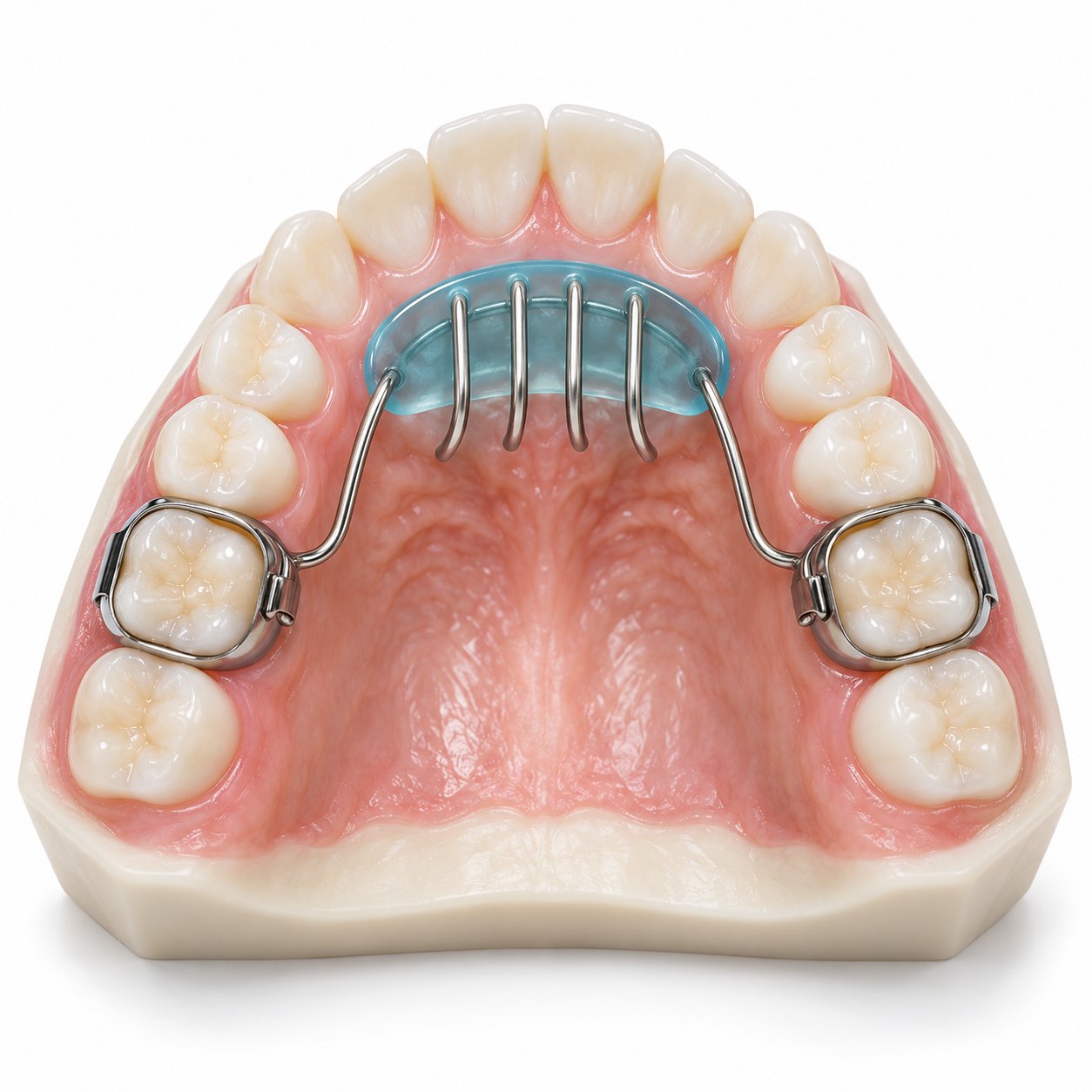
Solutions: Tooth remineralization therapy, pediatric composite fillings, stainless steel or zirconia crown restorations, pulpotomy or pulpectomy treatments, and gentle extractions paired with space maintenance devices.







.jpg)
.jpg)

.jpg)
.jpg)

.jpg)
.jpg)
.jpg)
.jpg)
.jpg)
.jpg)
.jpg)
.jpg)